
A P-trap is the curved section of drain pipe under a sink, tub or floor drain that keeps a small plug of water standing in the bend. That water seal stops sewer gas from rising into the room. Open the vanity door in any Wheat Ridge bathroom and you will probably see one, a bent pipe that looks like a sideways letter P.
The name comes from the shape. The pipe drops down from the drain, curves up in a U, then runs sideways into the wall. After every use, water settles in the low part of that U. It is a cheap part with a very specific purpose, and no air freshener can replace it.
This post covers how the trap holds water, how to take one apart without flooding the cabinet, the failures you will actually meet and which parts fit which pipe size. It also explains where the DIY line sits under Colorado rules.
Why a P-trap holds water and blocks sewer gas
Sewer lines carry hydrogen sulfide and methane along with wastewater. Neither belongs in a kitchen or a bedroom. The trap stays full because water can only leave by rising over the high point of the U, a ridge called the weir. Whatever sits below the weir stays put.
Each time you run the faucet, fresh water pushes the old water over the weir and refills the bend. A bathroom sink trap holds roughly a cup or two. That small seal is the only barrier between your living space and the sewer, so it matters more than its size suggests.
The bend also catches heavy items. A dropped earring or a lump of hardened toothpaste often lodges in the low point instead of traveling to the main line. That is why the trap is the first place to look when something small goes down the drain.
How to clean a P-trap under a sink
Set a bucket
Slide a bucket and an old towel under the trap, because the bend holds a cup or more of dirty water.
Loosen the nuts
Unscrew the two slip nuts by hand, or with channel-lock pliers if they are stubborn, turning counterclockwise.
Clear the bend
Pull the U free, dump it and scrub the inside with a bottle brush until you can see daylight through it.
Reassemble
Seat the washers, thread both nuts on by hand, snug them a quarter turn and run water to check for drips.
Watch the washer direction before you tighten. The beveled side of a slip joint washer faces the threaded fitting, and a washer fitted backward will weep for weeks. Plastic nuts crack when cranked, so stop as soon as the joint feels snug.
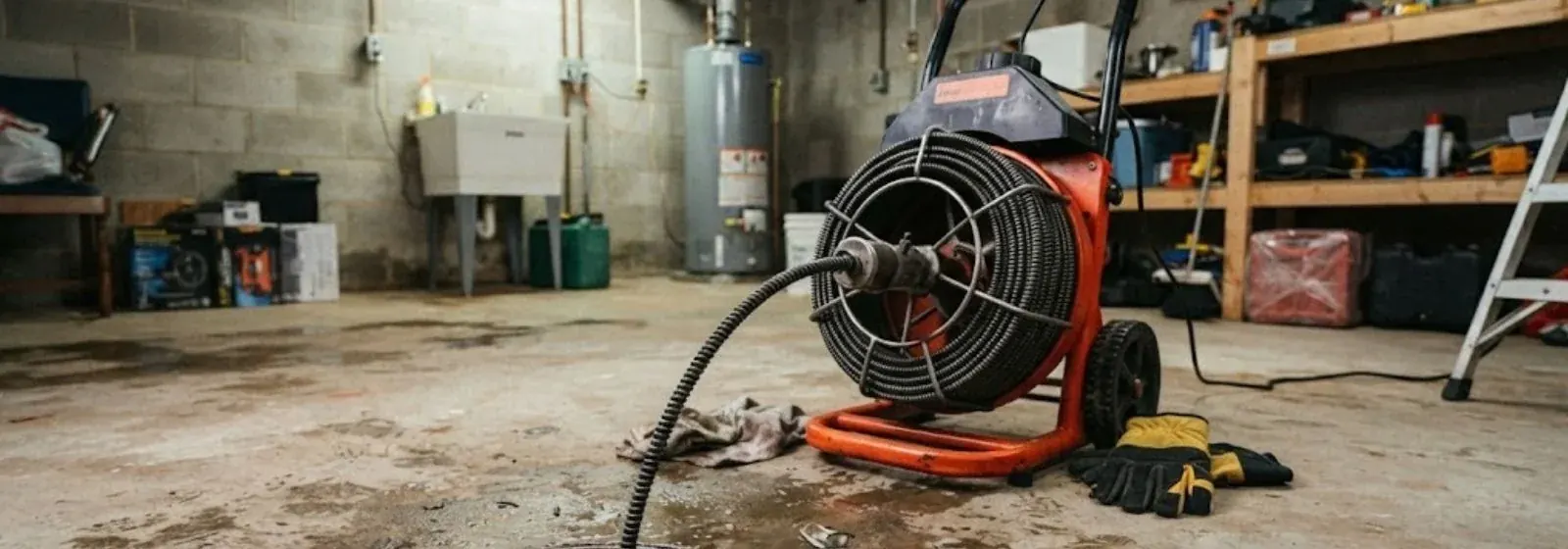
If the sink still drains slowly with a clean trap, the blockage sits farther down the line. That is the point where a cable machine and proper drain cleaning beat a plunger.
Common P-trap failures and how to spot them
Most trap problems fall into a short list. Each one leaves a clue you can read without tools.
Loose slip nuts
Vibration and temperature swings let the nuts back off over time. The clue is a slow drip and a damp cabinet floor.
A dried-out trap
A guest bath or basement floor drain that goes unused for weeks can lose its water to evaporation, and a sewer smell follows.
Wrong slope
The horizontal arm leaving the trap typically falls about 1/4 inch per foot toward the wall. Too flat lets solids settle, too steep can pull the water out.
A cracked or pitted trap
Chrome-plated brass can pit and leak at the bottom, and thin plastic can crack where a nut was overtightened.
A leak that is not the trap
Dry the pipe and watch where the first bead forms. If it starts at the spout or handle, you need faucet repair instead of a new trap.
How the vent connection keeps the water seal in place
A trap only works if air can enter the drain system behind it. A vent pipe runs up through the wall and out the roof, letting air in so draining water does not create a vacuum. Without that air, a draining sink can siphon the bend empty.
Gurgling after the sink empties is the classic hint. A trap arm that runs too far from the vent is another cause, and codes typically limit that distance by pipe size. Because the limit depends on the code your city adopts, confirm trap arm length with the building department instead of guessing.
In places where running a wall vent is awkward, an air admittance valve sometimes stands in for it. Whether one is allowed at your address is a local rule, so ask before you buy one.
Plumbing work is generally written against model codes such as the UPC and the IPC, and the adopted edition and local changes vary, so ask the Wheat Ridge Building Division which rules apply to your job.
P-trap parts by pipe size: 1.25 inch vs 1.5 inch
| Where it is used | Common pipe size | What to buy |
|---|---|---|
| Bathroom sink | 1.25 inch tailpiece | A 1.25 inch trap kit with slip nuts and washers |
| Kitchen sink | 1.5 inch tailpiece | A 1.5 inch trap, plus a waste tee if you have two bowls |
| Bathtub | 1.5 inch drain | A 1.5 inch trap sized for the tub waste |
| Laundry standpipe | 2 inch drain | A 2 inch trap, often sold as a separate fitting |
Bathroom sink drains are commonly 1.25 inch and kitchen sinks and tubs commonly 1.5 inch, but measure before you shop. The number that matters is the outside diameter of the tailpiece. Joining two sizes needs a reducing washer, and a mismatched joint is a classic source of leaks.
Wheat Ridge note: who may swap a trap and when to call the permit desk
Replacing a trap like for like is a small job, but permit rules vary, so ask the Wheat Ridge Building Division before you move or add drain piping. The city says a building permit is required for new construction, additions or alterations. The permit desk is (303) 235-2855, option 1, and one call tells you whether your project counts before you cut anything.
Colorado also draws a line on who may do the work. The State says it is a violation of state law for an unregistered person, other than the homeowner, to install a plumbing project on the property. So you may work on your own home, but a friend or handyman without a registration should not do it for you. If you hire a plumber, the licensed contractor is responsible for the permit.
If your house sits just across the line in Arvada, that city asks that the permit name a licensed plumbing contractor registered with Arvada, which our Arvada plumbing page covers. The towns we also reach are listed on the service area page, and each building department sets its own rules, so check the one for your address.
Common questions
What does the P in P-trap stand for?
Nothing technical. It describes the shape, because the curve plus the horizontal outlet looks like a letter P lying on its side. A similar bend in a toilet is built into the fixture and is not a separate P-trap.
Why does a rarely used drain smell like sewage?
The water in the trap has probably evaporated, which opens a path for sewer gas. Pour a quart or two of water down the drain to refill it. On a floor drain, a spoonful of mineral oil on top slows the next evaporation.
Why does my sink gurgle even after I cleaned the trap?
Gurgling usually points to a vent problem or a partial blockage farther along the line. The trap may be clean while air is struggling to get into the pipe. A plumber can tell the two causes apart with a camera and a cable.
Is chemical drain cleaner safe to pour into a trap?
We advise against it. Harsh liquids can soften old pipe and corrode metal fittings, and they leave a hazard for whoever opens the trap next. Never mix products. A plastic drain stick or a hand cleaning of the bend is safer.
Can I replace a P-trap myself in Wheat Ridge?
Colorado lets the homeowner do plumbing work on their own property, while unregistered others may not. A like-for-like swap is a common homeowner job. For anything beyond that, ask the Wheat Ridge Building Division at the permit desk whether your change needs a permit.
When should I call a plumber instead?
Call when water keeps backing up after the trap is clear, when you find a leak inside the wall, or when the trap arm needs rerouting. A licensed plumber can give you a clear price before work starts, and the 24/7 line at (303) 552-3896 is there for leaks that cannot wait.